M1 Homes, Author at M1 Homes
CategoriesBlogs

Villa Home Loan in Bangalore: What Every Buyer Should Know Before Applying

Most people spend months choosing the right villa and about one afternoon thinking about the loan. That’s usually where the stress begins.

The loan is not a formality. It decides your EMI, your monthly budget and how comfortable the next 15 to 20 years will feel. So let’s go through it properly, step by step, without banking jargon.

Start with your real budget, not your maximum limit

Banks will tell you what you are eligible for. That’s not the same as what you can comfortably afford.

Eligibility mostly depends on:

  • Income: how much you earn and how stable it is
  • Existing EMIs: a car loan or personal loan directly reduces what a bank will lend
  • Credit score: 750 or above generally helps with approval and better terms
  • Age and tenure: the younger you are, the longer the tenure you can usually get

Here’s a simple check. If your total EMIs go beyond roughly 40 to 50 percent of your monthly take-home, life gets tight. School fees, travel and emergencies don’t wait for your loan to finish. Choose an amount you can repay without giving up the things you enjoy.

The down payment is bigger than most people expect

Banks fund only a part of the property value, and that share gets smaller as the price goes up. For a villa, plan to put in roughly 20 to 25 percent from your own savings. Exact limits depend on the bank and RBI norms, so confirm before you finalize anything.

Then there are the extras. Stamp duty, registration charges, legal checks, interiors and moving costs are paid separately. Keep an additional buffer for these so they don’t arrive as a surprise at the end.

What your EMI could actually look like

An example makes this clearer. It’s only an illustration, because rates change and differ from bank to bank.

Take a loan of ₹1 crore for 20 years at 8.5% interest. The EMI comes to about ₹86,800 a month. Over 20 years, you’d pay roughly ₹1.08 crore as interest on top of the principal.

That number surprises many people. It’s also exactly why tenure and prepayment matter so much.

Tenure: shorter saves money, longer saves stress

A long tenure gives a lower EMI but increases the total interest you pay. A short tenure does the opposite.

Many buyers pick a comfortable tenure first and then prepay whenever extra money comes in, such as a bonus or a good business year. Even one additional EMI each year can cut your loan by several years. Just check that your bank doesn’t charge a prepayment penalty. For floating-rate home loans, banks generally can’t.

Fixed or floating rate?

Most home loans in India are on floating rates, which move with the market. That means your EMI or your tenure can change over time. Ask your bank how a rate change will affect you, and whether switching to a better rate later will cost you anything. If a competitor offers a lower rate after a few years, a balance transfer can be worth exploring.

If the villa is under construction

This matters if you’re looking at an ongoing project. For under-construction properties, the bank usually releases money in stages, linked to construction progress. Until the full amount is released, you generally pay interest only on the portion disbursed so far, often called pre-EMI. Full EMIs begin once the loan is completely disbursed.

So you aren’t paying EMI on the entire amount from day one. Ask your bank to explain the disbursement schedule in writing so there are no surprises.

Consider a joint loan

If your spouse or a parent earns, applying jointly can raise your eligibility. It can also let both co-owners claim tax benefits, depending on ownership and repayment. Women co-borrowers sometimes get slightly lower stamp duty in certain states, so check the current rule before you register.

Documents to keep ready

Having everything in one folder can save you weeks:

  • PAN and Aadhaar
  • Latest salary slips and Form 16 (salaried), or ITR and business proof for 2 to 3 years (self-employed)
  • Bank statements for the last 6 months
  • Allotment letter or sale agreement
  • RERA registration details of the project

Tax benefits worth knowing

If you opt for the old tax regime and the home is self-occupied, you can generally claim:

  • Section 24(b): up to ₹2 lakh a year on home loan interest
  • Section 80C: principal repayment, within the overall ₹1.5 lakh limit

These benefits don’t apply in the same way under the new regime, and tax rules change from time to time. Speak to your CA before choosing a regime.

Common mistakes to avoid

  1. Applying at five banks at once. Each enquiry can affect your credit score.
  2. Looking only at the interest rate. Processing fees, insurance and other charges add up.
  3. Borrowing the maximum just because you can.
  4. Skipping the fine print, especially on rate resets and penalties.
  5. Checking your credit report late, after you’ve already picked a property.

A quick checklist before you apply

  • Check your credit score and fix any errors
  • Clear small pending loans or card dues
  • Get a pre-approved loan so you know your budget
  • Compare 2 or 3 banks on total cost, not just the rate
  • Keep your down payment and extra costs ready

Final thoughts

A villa should make your life better, not tighter. When you understand your numbers, keep your paperwork ready and choose a loan that fits your lifestyle, the whole process becomes far smoother than most people expect.

Considering a villa at Terra Alegria? Our team can explain the pricing and help you understand the loan process. Call +91 80 88 0 12345 or book a site visit.

CategoriesBlogs

Beyond the Four Walls: How Villa Amenities Quietly Improve Your Daily Life

Think about the gym membership you bought with great intentions. How many times did you actually go?

For most of us, the problem isn’t motivation. It’s friction: the traffic, the travel time, the “I’ll go tomorrow.” The easiest habits to keep are the ones that sit right outside your door.

That’s why, when you choose a villa, the amenities deserve as much attention as the bedrooms. Here’s how they show up in real, everyday life.

A gym just a few minutes from home

When the gym is inside your community, a 30-minute workout fits easily before work or after dinner. There’s no commute, no parking hunt and no big-time commitment.

A short workout you actually do beats a long one you keep postponing. Over a year, that small difference adds up to real stamina, better posture and more energy.

An indoor swimming pool you can use all year

Swimming is gentle on the joints and works the whole body, so it suits almost everyone, from teenagers to grandparents. Many people find it helps with stamina, stress and even sleep.

The word that matters here is indoor. Bangalore has its share of rain and warm afternoons, and an indoor pool means your routine doesn’t depend on the weather. It’s also a safer, more controlled space for children learning to swim.

A shuttle court for family time

Not every family bond over dinner conversation. Some bond over a competitive game on a Sunday morning.

A shuttle court within the community gives children a reason to move instead of staring at a screen. It gives adults a way to exercise that doesn’t feel like exercise. And it’s a friendly way to meet neighbors, because sports break the ice faster than any formal introduction.

Green space your mind will thank you for

After a long, tiring day, even a 20-minute walk under trees feels different from a walk beside a busy road. Parks give children a safe place to run, and they give senior family members a calm spot to walk or sit and chat.

Visitors to Terra Alegria often describe the community as peaceful and garden-like. That’s exactly the feeling a villa community should create.

Something for every age in the family

A good amenity list isn’t built for one type of resident. Think about who lives in your home:

  • Children need safe spaces to play, swim and learn sports.
  • Working professionals need quick, convenient ways to exercise and unwind.
  • Parents and grandparents need gentle options such as walking paths, light swimming and quiet seating.

When one community serves all of them, the whole family benefits without anyone needing to travel.

Community, not just a set of neighbors

A clock tower square, a bench in the park or the sidelines of a game: these small shared spaces are where people start talking. Over time, strangers become friends. For families who have recently moved to a new city, this sense of belonging matters more than most buyers expect.

Time saved is health gained

Here’s the part people rarely calculate. If you spend an hour travelling to a gym, a pool or a sports facility, that’s several hours a week gone. When these are inside your community, that time goes back to you. You can use it to sleep a little more, cook a proper meal or simply be with your family.

Questions to ask before you trust an amenity list

Brochures can promise a lot, so ask:

  • Are the amenities already built, or only planned for later?
  • Who maintains them, and what do the maintenance charges cover?
  • Is there enough space and timing flexibility so residents don’t crowd each other?
  • Are the facilities suitable for all ages, including children and seniors?

You can answer most of these in a single site visit. See the facilities in use, not just in photos.

Final thoughts

Great amenities don’t force you to be healthier. They simply make the healthy choice the easy one. When exercise, play and quiet time are all a short walk away, good habits begin to build on their own.

Terra Alegria’s community includes an indoor swimming pool, an indoor shuttle court, a gym, a park and a clock tower. The best way to understand what that feels like is to walk through it yourself.

Book a site visit or call +91 80 88 0 12345.

CategoriesTips & Tricks

Villa Buying Checklist in Bangalore: 12 Things to Verify Before Booking Your Dream Home

Buying a villa is usually one of the biggest decisions a family makes. It’s not just a home. It’s your own garden, your own terrace, space for parents to stay, and room for the kids to grow up.

But it’s also a big cheque. And in Bangalore, where villa projects are spreading fast along the city’s edges, from Hoskote and Whitefield to Sarjapur and Devanahalli, not every project is as solid as its brochure.

The good news is that most problems can be spotted before you pay anything. You just need to know what to check.

Here’s a simple, practical checklist of 12 things to verify before you book your villa in Bangalore.

Why a Checklist Matters More for Villas

With an apartment, you share land with hundreds of other owners. With a villa, you’re usually buying a specific plot of land plus the house on it. That makes the land records just as important as the building itself.

Many villa projects are also built on land that was once agricultural, often in areas under a gram panchayat rather than the city corporation. That adds a few extra approvals to check.

None of this should scare you. It just means a little homework up front saves a lot of stress later.

Check the RERA Registration

This is your first and easiest check.

Every residential project in Karnataka above a certain size must be registered with the Karnataka Real Estate Regulatory Authority (K-RERA) before the builder can advertise or sell it.

What to do:

  • Ask for the project’s RERA number. It should be printed on brochures, ads and the website.
  • Search for it on the official K-RERA website (rera.karnataka.gov.in).
  • Check that the project name, promoter name, location and number of units match what you’re being told.
  • Look at the promised completion date and the quarterly progress updates the builder has uploaded.

Why it matters: RERA registration means the builder has submitted land documents and approvals to the regulator, and has to follow rules on timelines, money use and disclosures. Under RERA, a builder also can’t take more than 10% of the villa cost as an advance before signing a registered agreement for sale.

Red flag: “RERA is applied for” or “RERA is coming soon” while the builder is already taking bookings.

Verify the Title Deed and Mother Deed

The title deed proves who owns the land. The mother deed (or parent deed) traces how ownership passed from one person to the next over the years.

What to do:

  • Ask for copies of the title deed and the chain of previous ownership documents.
  • Have a property lawyer do a title search going back at least 30 years.
  • Check that the land is in the name of the builder or the landowner the builder has a joint development agreement (JDA) with.
  • If there’s a JDA, read it. It tells you which villas belong to the landowner’s share and which to the builder’s.

Why it matters: A clear title means nobody else can later claim the land. This is the single most important legal check you’ll do.

Get the Encumbrance Certificate (EC)

An Encumbrance Certificate shows whether the property has any loans, mortgages or legal dues registered against it.

What to do:

  • Get the EC for at least the last 13 to 30 years. You can apply for it on the Kaveri Online portal.
  • Check whether any existing loan on the land (for example, a project loan) is listed. If so, ask how and when it will be released for your villa.

Why it matters: You don’t want to buy a home that’s still pledged to a bank, or tied up in someone else’s legal case.

Confirm Land Conversion (DC Conversion)

Many villa projects on Bangalore’s outskirts sit on land that was originally agricultural. Before anyone can build homes on it, the land must be officially converted for residential use. This is usually called DC conversion (approved by the Deputy Commissioner).

What to do:

  • Ask for the land conversion order.
  • Check that the survey numbers on the conversion order match the survey numbers of the project.
  • Make sure the conversion is for residential use, not commercial or industrial.

Why it matters: Homes built on unconverted agricultural land can face problems with registration, loans and future resale.

Check the Layout and Building Plan Approvals

Depending on where the project is, the layout and building plans are approved by a different authority:

  • BDA (Bangalore Development Authority) for many areas within city limits
  • BMRDA or a local planning authority for areas on the outskirts, such as Hoskote, Anekal or Nelamangala
  • The city corporation (now under the Greater Bengaluru Authority) for some building plans

What to do:

  • Ask which authority approved the layout and the building plan, and see the approval letters.
  • Compare the approved plan with what’s being built. Check the number of villas, plot sizes, road widths, open spaces and parks.
  • Make sure the villa you’re booking appears in the approved plan.

Why it matters: Extra floors, extra villas or shrunk common areas that aren’t in the approved plan can lead to penalties, demolition notices or problems getting your khata later.

Know Your Khata: e-Khata or e-Swathu

The khata is the official property record used for property tax, registration and loans. In Bangalore, it’s now digital, and which version you need depends on where the villa is.

If the project is inside Greater Bengaluru limits (formerly BBMP):

  • A digital e-Khata has been required for property registration since October 2024.
  • Check that the property has, or will get, an A-Khata. A B-Khata usually signals a property with some irregularity and can cause problems with loans and resale.

If the project is in a gram panchayat area (common for villa projects near Hoskote, Devanahalli or Anekal):

  • Rural property records are managed through the E-Swathu portal.
  • Ask for the Form 9 / Form 11 records. These are needed to register non-agricultural property in panchayat areas.

Why it matters: Without the right digital khata, your sale deed may simply not get registered, and banks may refuse a loan.

Ask About the Commencement, Completion and Occupancy Certificates

These three certificates mark the legal stages of construction:

Certificate What it means When to check it
Commencement Certificate Builder was allowed to start construction Before booking an under-construction villa
Completion Certificate (CC) Construction is finished as per the approved plan Before taking possession
Occupancy Certificate (OC) The home is safe and fit to live in Before taking possession of a ready villa

Why it matters: The OC is especially important. Without it, getting permanent water, electricity and sewage connections can be difficult, and some banks hesitate to lend.

Tip: If you’re buying a ready-to-move villa, don’t take possession without seeing the OC.

Research the Builder’s Track Record

Documents tell you what’s approved. A builder’s history tells you what’s likely to happen.

What to do:

  • Look at the builder’s past projects. Were they delivered, and roughly on time?
  • Visit a completed project and, if you can, talk to people living there.
  • Check online reviews and any complaints on the K-RERA website.
  • Find out how long the company has been in business and whether its earlier customers got their documents and khata on time.

Why it matters: A builder with completed, lived-in projects has already shown it can finish what it starts.

Inspect Construction Quality and Specifications

A villa should feel solid for decades, not just look good at the show home.

What to do:

  • Ask for the full specification sheet: structure, walls, flooring, doors, windows, plumbing, electrical fittings, waterproofing and bathroom fittings.
  • Ask what construction method is used (for example, conventional RCC or aluminium formwork like Mivan) and why.
  • During a site visit, look at finishing, wall alignment, leakage marks and drainage.
  • Check the plot area, built-up area and carpet area separately. Super built-up area figures can make a villa look bigger than it is.
  • Understand the villa type you’re buying. If you’re weighing options, our guide on independent villas vs row villas explains the differences.

Why it matters: Small quality gaps, like poor waterproofing or cheap plumbing, turn into big repair bills a few years down the line.

Study the Location, Water and Infrastructure

A beautiful villa in the wrong spot can make daily life hard.

What to do:

  • Drive to the site from your workplace, at peak hours, on a weekday.
  • Check the distance to schools, hospitals, supermarkets and the nearest metro or highway.
  • Ask where water comes from: borewell, Cauvery supply, tanker or a mix. Water is a real concern in many parts of Bangalore.
  • Check power backup, the sewage treatment plant (STP), rainwater harvesting and storm-water drainage.
  • Look up planned infrastructure nearby, such as new roads, metro lines or ring roads. These can boost both convenience and property value. For example, here’s how improved connectivity is changing life in Hoskote.
  • Visit the area during the monsoon if possible to see whether roads flood.

Why it matters: You can renovate a house, but you can’t move it. Location decides both your daily comfort and future resale value.

Calculate the Full Cost, Not Just the Base Price

The price on the banner is rarely the price you’ll pay.

Ask for a written cost sheet that includes:

  • Base price of the villa and land
  • Car parking (if charged separately)
  • Clubhouse and amenity charges
  • Electricity, water and sewage connection charges
  • Maintenance deposit and advance maintenance
  • Corpus fund
  • GST (currently applicable on under-construction homes; not applicable on completed homes with an OC)
  • Stamp duty and registration charges (check the current Karnataka rates on the date you register)
  • Legal and documentation fees
  • Interiors, landscaping and furnishing, which are often higher for villas than for flats

Why it matters: Hidden charges can add a big percentage to the final cost. Knowing the true number upfront helps you plan your home loan and savings properly.

Tip: Check whether major banks have already approved the project for home loans. Bank approval isn’t a legal guarantee, but it means the bank’s own lawyers have reviewed the documents.

Read the Agreement for Sale Carefully

The agreement for sale is the contract that protects you. Read every clause before you sign. Better still, have your lawyer read it.

Check for:

  • Payment schedule: Payments should be linked to construction milestones, not fixed dates.
  • Possession date: It should match the date on RERA.
  • Delay compensation: What the builder pays you if possession is late.
  • Cancellation terms: How much you lose if you cancel, and how fast you’ll get a refund.
  • Defect liability: Under RERA, the builder must fix structural defects reported within five years of possession, at no cost to you.
  • Specifications: Make sure the promised specs are written into the agreement, not just the brochure.
  • Maintenance and handover: When the residents’ association takes over, and what happens to the corpus fund.

Why it matters: Verbal promises disappear. Written ones can be enforced.

Quick Recap: Your Villa Buying Checklist

# What to verify Document / source
1 Project is registered K-RERA certificate
2 Land has a clear owner Title deed, mother deed, 30-year title search
3 No loans or dues on the land Encumbrance Certificate
4 Land approved for homes DC conversion order
5 Layout and plan are approved BDA / BMRDA / planning authority approvals
6 Property has a valid digital khata e-Khata (city) or E-Swathu Form 9/11 (panchayat)
7 Construction is legally cleared Commencement certificate, CC, OC
8 Builder has delivered before Past projects, resident feedback
9 Build quality is solid Specification sheet, site inspection
10 Location works for your family Site visits, water and infrastructure checks
11 You know the full cost Written cost sheet
12 Your rights are protected Agreement for sale, reviewed by a lawyer

Ready to Start Your Villa Search?

At M1 Homes, we’ve been building villas in Bangalore since 2011, and we know how much trust goes into this decision. That’s why we encourage every buyer to go through a checklist like this one, with their own lawyer, before booking.

If you’re exploring villas in East Bangalore, take a look at Terra Alegria Phase II, our villa community near Hoskote. Our team is happy to share the project’s RERA details and approval documents and walk you through them during a site visit. You can also contact us to book a visit.

Frequently Asked Questions

What documents should I check before buying a villa in Bangalore?

Check the RERA registration, title deed and mother deed, Encumbrance Certificate, land conversion order, approved layout and building plans, e-Khata or E-Swathu records, and the Occupancy Certificate for ready villas.

Is e-Khata mandatory to buy a villa in Bangalore?

Yes, for properties within Greater Bengaluru limits, e-Khata has been required for property registration since October 2024. Villas in gram panchayat areas need digital records through the E-Swathu portal instead.

How do I check if a villa project is RERA registered?

Ask the builder for the project’s RERA number and search for it on the Karnataka RERA website (rera.karnataka.gov.in). Check that the project details and completion date match what you’ve been told.

What is the difference between A-Khata and B-Khata?

An A-Khata means the property is fully legal and follows building and land rules. A B-Khata usually indicates some irregularity, which can make bank loans, plan approvals and resale harder.

Should I buy a ready-to-move or under-construction villa?

Ready villas let you see exactly what you’re buying and usually don’t attract GST. Under-construction villas often cost less and offer more choice, but carry delivery risk, so check the builder’s track record and RERA timelines carefully.

How much booking amount can a builder take for a villa?

Under RERA, a builder can’t take more than 10% of the villa’s cost as an advance before signing a registered agreement for sale with you.

Do I need a lawyer to buy a villa in Bangalore?

It’s strongly recommended. A property lawyer can do a 30-year title search, check approvals and review the agreement for sale, which helps you avoid costly legal problems later.

Conclusion

Buying a villa in Bangalore should feel exciting, not risky. Take the time to check the RERA registration, land records, approvals, khata, builder history, build quality, location, full cost and agreement terms. A few weeks of careful checking can protect your family’s biggest investment for years to come.


CategoriesTips & Tricks

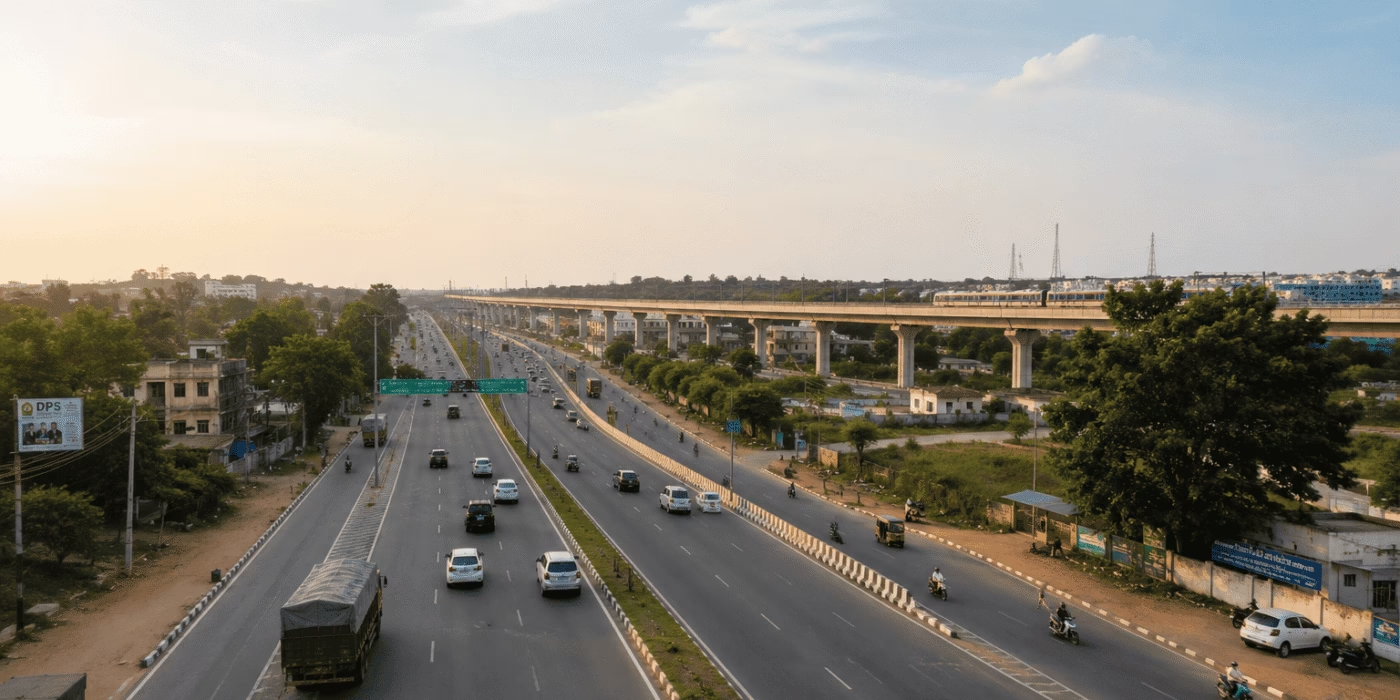
How Improved Connectivity Enhances Everyday Living in Hoskote

Bangalore’s congestion intensifies on a day-to-day basis, and more and more people are looking to escape the traffic clutches of the city. But the real dilemma lies in wanting the city’s benefits while at the same time ditching its disadvantages. This is why, increasingly, settling away from the city but staying close enough to not miss out on its sizzle is becoming popular. And the places that are front-ending this trend are places that provide you with the peace of being away from the city, but have strong transit links to the main urban core.


Leading this shift is Hoskote. Located in the east of Bangalore, roughly 30 km from the central business district, Hoskote real estate is rapidly taking shape. Its booming infrastructure and strategic connectivity are the two primary drivers making it one of the most exciting investment opportunities in the region today.


Seamless Connectivity to Major IT Hubs

One of the key reasons professionals are increasingly considering Hoskote is its strategic connectivity to Bengaluru’s major employment corridors. While offering a quieter, less congested living environment, Hoskote ensures convenient access to myriad technology hubs across the city.


The region also enjoys excellent connectivity through Old Madras Road (NH 75), providing a direct route to prominent destinations such as Whitefield, KR Puram, and ITPL Tech Park. This allows professionals working in East Bengaluru’s technology corridor to travel easily on a day-to-day basis while avoiding the traffic that comes with city living.


Hoskote also benefits from access to the Satellite Town Ring Road (STRR), a major infrastructure project designed to improve connectivity between Bengaluru’s peripheral regions. Through the STRR, travel to key areas such as Hebbal, Yelahanka, and Kempegowda International Airport becomes seamless without having to enter the city’s central traffic zones. 


In addition, the area’s connectivity continues to strengthen through ongoing and planned infrastructure developments, further enhancing accessibility to Bengaluru’s commercial and residential destinations.


For many working professionals, Hoskote offers the ideal balance between accessibility and quality of life. The ability to stay connected to major IT hubs while living in a peaceful suburban setting contributes to reduced travel stress, better time management, and an improved work-life balance.


Impact of Upcoming Metro and Infrastructure Projects

Hoskote is rapidly emerging as one of East Bengaluru’s promising corridors, which is a result of a series of high-budget infrastructure and development initiatives. The government’s long-term vision is to transform the region into an up-and-coming urban hub with seamless connectivity, expanding economic activity, and exciting opportunities for both residents and investors.


Among the key developments is the proposed metro expansion of the Purple Line from KR Puram toward Hoskote. This double-decker corridor is expected to significantly improve public transport accessibility and strengthen the area’s integration with Bengaluru’s major zones.


Another major infrastructure project is the Peripheral Ring Road (PRR), an 8-lane highway planned to connect several of Bengaluru’s key highways. The project is designed to improve connectivity between the northern and eastern parts of the city while helping reduce traffic congestion on existing routes. Alongside the Satellite Town Ring Road (STRR), these road networks are expected to improve access to important economic areas and corridors in the city.


Taking a look at infrastructure projects that move beyond transportation, Hoskote has a plethora of technology-focused projects lined up. KIADB, in collaboration with KEONICS, is planning the development of a 300-acre data centre ecosystem, envisioned as a hyperscale hub catering to growing AI, cloud computing, and digital infrastructure requirements. 


As these developments take shape, the area is expected to witness a rise in employment opportunities across a plethora of sectors, including technology and logistics. Increased economic activity often leads to higher residential demand as professionals seek housing closer to emerging workplaces and business hubs.


From an investment perspective, infrastructure-led growth is one of the strongest drivers of long-term property appreciation. As connectivity improves and commercial activity grows, land values typically respond positively to growing demand. For early investors, this creates an opportunity to participate in this cycle before the full impact of these developments is reflected in property prices.


An additional advantage is that many of these growth drivers are backed by government-led planning and infrastructure investments. The presence of clearly defined projects and planned connectivity upgrades helps reduce speculative risk while providing greater confidence in the area’s long-term development trajectory.

Improving Access to Daily Essentials and Social Infrastructure

Hoskote’s growing social infrastructure is making everyday life more convenient for families. The region is home to numerous schools offering CBSE, ICSE, and international curricula, giving parents a wide range of educational options to choose from.


Healthcare access is also improving, with general hospitals, specialized women’s healthcare facilities such as Ovum Hospitals, and wellness providers expanding their presence. Soukya International Holistic Health Centre is also planning to extend its operations to Hoskote.


With more schools, healthcare facilities, lifestyle amenities, etc., steadily coming up, Hoskote is gradually evolving into a well-rounded residential destination. While this growth is still in its early stages, the area’s social infrastructure is only expected to strengthen, further establishing Hoskote as one of East Bengaluru’s emerging hubs.

Conclusion

Hoskote’s transformation is being driven by improved connectivity, expanding infrastructure, and growing social amenities. With easier access to Bengaluru’s major IT hubs, reduced travel times, and a peaceful suburban environment, residents can enjoy a lifestyle that balances convenience with comfort.

At the same time, ongoing government-led infrastructure projects, growing employment opportunities, and increasing demand are laying the foundation for long-term growth. As connectivity improves and development accelerates, Hoskote is steadily strengthening its position as one of East Bengaluru’s most promising investment destinations.

For early investors, this presents an opportunity to benefit from future appreciation driven by real infrastructure and planned development. M1 Homes recognised this potential early and invested in creating thoughtfully designed villa communities that offer the best of both worlds, a safe, comfortable haven away from the city’s congestion while remaining well connected to everything that matters.

If you’re looking for a home that delivers both lifestyle value and long-term investment potential, exploring our premium villa communities in Hoskote could be the perfect place to begin.

Frequently Asked Questions (FAQs)

  1. Is Hoskote good for investment?

Yes. With major infrastructure projects, improving connectivity, and growing residential demand, Hoskote offers strong long-term appreciation potential.

  1. Is there a metro coming to Hoskote

The proposed metro expansion of the Purple Line from KR Puram towards Hoskote is expected to improve connectivity and make commuting to Bengaluru more convenient.

  1. What are the upcoming infrastructure projects in Hoskote?

Key projects include the Metro extension, STRR, Peripheral Ring Road, and the planned hyperscale data centre hub by KIADB and KEONICS.

CategoriesTips & Tricks

Independent Villas vs Row Villas: What’s Better for Families in Bangalore?

The demand for villas in Bangalore has surged in recent years—especially in fast-growing areas like Whitefield and Hoskote. With changing lifestyles, work-from-home flexibility, and the need for more space, many families are now moving away from apartments and exploring villa living.

But one common question buyers face is: independent villas vs row villas, which is better for families?

Both options offer unique advantages, and choosing the right one depends on your budget, lifestyle, and long-term goals. In this blog, we break down the differences to help you make a smart, informed decision, especially if you’re planning to buy a villa near Whitefield or in East Bangalore.


What is an Independent Villa?

An independent villa is a standalone property built on its own plot of land, with no shared walls or structures with neighboring homes.

Key Features:

  • Complete privacy (no shared walls)
  • Exclusive land ownership
  • Larger built-up area and open space
  • Freedom to customize design and interiors

Why Families Prefer Independent Villas:

Independent villas are ideal for families looking for space, privacy, and a premium lifestyle. You get your own garden, parking area, and the flexibility to modify your home as your needs evolve.

In premium locations around East Bangalore, especially near Whitefield, independent villas are often seen as a luxury investment with long-term value.


 What is a Row Villa?

A row villa (or row house) is a series of homes built in a row, where each unit shares one or two walls with adjacent houses but has a separate entrance.

Key Features:

  • Shared walls but independent units
  • Located within gated communities
  • Efficient use of space
  • More affordable than independent villas

Why Families Consider Row Villas:

Row villas strike a balance between villa living and affordability. They are commonly found in gated communities with amenities like parks, security, and clubhouses, making them a practical choice for modern families.


Independent Villas vs Row Villas: Key Differences

Feature Independent Villa Row Villa
Privacy High (no shared walls) Moderate (shared walls)
Cost Premium pricing More affordable
Space Larger plots & open areas Compact layouts
Customization Fully customizable Limited
Maintenance Owner-managed Often community-managed
Community Living Less social interaction Strong community feel
Investment Value Higher appreciation Steady growth


Pros of Independent Villas for Families

1. Maximum Privacy

No shared walls means complete peace and quiet, ideal for families who value personal space.

2. More Space for Living

You get larger living areas, private gardens, terraces, and parking, perfect for kids and pets.

3. Freedom to Customize

Want to add another floor or redesign interiors? Independent villas offer complete flexibility.

4. Premium Lifestyle

Independent villas in Bangalore, especially near Whitefield, offer a luxury living experience with exclusivity.

5. Higher Long-Term Appreciation

Due to land ownership and scarcity, independent villas tend to appreciate more over time.


Cons of Independent Villas

1. Higher Cost

Independent villas come at a premium, making them less accessible for first-time buyers.

2. Maintenance Responsibility

You’re responsible for upkeep, repairs, and security (unless in a gated setup).

3. Security Concerns (Standalone Units)

If not part of a gated community, security may require additional investment.


Pros of Row Villas for Families

1. Affordable Entry into Villa Living

Row villas are more budget-friendly compared to independent villas, making them ideal for young families.

2. Gated Community Benefits

Most row villas are part of gated communities offering:

  • 24/7 security
  • Clubhouse & amenities
  • Parks & play areas

3. Lower Maintenance Effort

Maintenance is often handled by the community association, reducing individual burden.

4. Social & Community Living

Perfect for families with kids—easy to build connections and friendships within the community.

5. Efficient Space Utilization

Well-planned layouts ensure optimal use of available space.


Cons of Row Villas

1. Shared Walls

Less privacy compared to independent villas, noise can sometimes be a concern.

2. Limited Customization

Structural changes are restricted due to shared construction.

3. Lower Exclusivity

Row villas may feel less premium compared to standalone homes.


Which is Better for Families in Bangalore?

The answer depends on your lifestyle preferences, budget, and long-term goals.

👉 Choose an Independent Villa if:

  • You prioritize privacy and luxury
  • You have a higher budget
  • You want a long-term premium investment
  • You need more space for a growing family

👉 Choose a Row Villa if:

  • You want a cost-effective villa option
  • You prefer community living
  • You’re a first-time villa buyer
  • You want access to shared amenities


Why East Bangalore (Hoskote & Whitefield) is Ideal for Villa Buyers

East Bangalore has become a hotspot for villa investments, especially areas like Hoskote, which are just 20–25 minutes from Whitefield.

Key Advantages:

  • Excellent connectivity via highways and upcoming infrastructure like STRR
  • Close proximity to IT hubs (Whitefield, ITPL)
  • Rapid development and rising property demand
  • Better affordability compared to central Bangalore

For families working in tech hubs, villas near Whitefield offer the perfect balance of convenience and peaceful living.


Investment Perspective: Independent vs Row Villas

Independent Villas:

  • Higher appreciation due to land ownership
  • Limited supply increases value over time
  • Ideal for long-term wealth creation

Row Villas:

  • Lower entry cost
  • Good rental potential in gated communities
  • Steady appreciation in growing areas like Hoskote

If you’re looking for premium returns, independent villas may be better.

If you want affordability with decent ROI, row villas are a smart choice.


Final Verdict

There is no one-size-fits-all answer when comparing independent villas vs row villas.

  • If your focus is privacy, space, and luxury, go for an independent villa
  • If you value community living, affordability, and convenience, a row villa is ideal

For families in Bangalore, especially those working near Whitefield, both options offer excellent lifestyle upgrades compared to apartments.


Looking for the Perfect Villa Near Whitefield?

If you’re planning to invest in a villa near Whitefield or Hoskote, explore modern gated villa communities that offer:

  • Excellent connectivity
  • Premium amenities
  • Peaceful surroundings

Whether you choose an independent villa or a row villa, make sure it aligns with your family’s lifestyle and future goals.

👉 Schedule a site visit today and take the first step toward your dream home in East Bangalore!


CategoriesTips & Tricks

How Villa Living Improves Family Bonding & Lifestyle

In today’s fast-paced urban life, finding quality time for family has become increasingly difficult. Long working hours, traffic congestion, and compact living spaces often limit meaningful interactions at home. As a result, modern homebuyers are now prioritizing not just a house, but a lifestyle that promotes comfort, connection, and well-being.

This shift has brought villa living into the spotlight. Unlike traditional apartments, villas offer spacious layouts, peaceful surroundings, and a balanced lifestyle, making them an ideal choice for families. But beyond luxury, villa living plays a significant role in strengthening family bonding and enhancing overall quality of life.

Let’s explore how.

More Space for Quality Family Time

One of the biggest advantages of villa living is the abundance of space. Villas are designed to provide larger living areas, multiple bedrooms, private gardens, and even terraces. This extra space allows families to spend time together without feeling restricted.

In apartments, limited space often leads to cluttered environments where personal and shared areas overlap. In contrast, villas offer dedicated zones for different activities—be it a cozy living room for family movie nights, a garden for outdoor play, or a dining area for shared meals.

This physical openness naturally encourages families to interact more. Children have room to play freely, parents can relax without disturbance, and elders can enjoy their own comfort zones. The result is a harmonious environment where spending time together becomes effortless and enjoyable.

Peaceful Environment for Better Living

Another key benefit of villa living is the serene and peaceful environment it offers. Most villa communities are located away from the chaos of the city, surrounded by greenery and open spaces. This significantly reduces noise, pollution, and daily stress.

A calm environment has a direct impact on mental well-being. When families are not constantly exposed to traffic noise or overcrowded surroundings, they tend to feel more relaxed and positive. This creates a better atmosphere for communication and bonding.

Imagine starting your day with fresh air, enjoying evening walks with your loved ones, or simply unwinding in your private garden. These small yet meaningful experiences contribute to a healthier and happier lifestyle—something that is often missing in high-rise apartment living.

Privacy That Strengthens Relationship

While togetherness is important, personal space is equally essential for maintaining healthy relationships. Villas strike the perfect balance between the two.

Unlike apartments with shared walls and close proximity to neighbors, villas provide independent living spaces. Each family member can enjoy privacy without interference, whether it’s working from home, studying, or relaxing.

This independence reduces common issues such as noise disturbances and lack of personal boundaries, which are often seen in apartment living. When individuals have their own space to recharge, they are more likely to engage positively with others.

In simple terms, villa living ensures that family members come together by choice, not compulsion—making interactions more meaningful and less stressful.

Community Living & Social Connections

Modern villa communities are not just about individual homes; they are designed to create a sense of community. Gated villa developments bring together like-minded families, offering a safe and secure environment for social interaction.

Children benefit greatly from this setup. With open spaces and dedicated play areas, they can engage in outdoor activities, make friends, and develop social skills. Parents, too, get opportunities to connect with neighbors through community events, gatherings, and shared amenities.

This sense of belonging enhances the overall lifestyle. Families are no longer isolated within four walls but become part of a vibrant and supportive neighborhood.

Additionally, gated communities often come with enhanced security features, giving families peace of mind. Knowing that your loved ones are safe allows you to focus more on building relationships and enjoying life.

Enhanced Lifestyle with Modern Amenities

Villa living is synonymous with an upgraded lifestyle. Most gated villa communities offer a range of modern amenities designed to improve daily living.

From clubhouses and swimming pools to fitness centers, parks, and jogging tracks, these amenities encourage families to stay active and spend quality time together. Instead of relying on external facilities, everything you need is available within your community.

For example, weekends can be spent enjoying a swim, playing sports, or participating in community activities. Even simple routines like morning walks or evening playtime become more enjoyable when supported by well-maintained spaces.

These lifestyle enhancements go beyond convenience, they promote physical health, reduce stress, and create opportunities for family bondings

Why Villa Living is Ideal for Modern Families

The needs of today’s families have evolved. People are no longer just looking for a place to stay; they want a home that supports their lifestyle, well-being, and long-term happiness.

Villa living checks all these boxes:

  • It offers space for growth and togetherness
  • It provides a peaceful environment for better mental health
  • It ensures privacy and independence
  • It fosters community connections
  • It enhances daily life with premium amenities

Whether you are a growing family, a working professional, or someone planning for the future, villas provide a well-rounded living experience that apartments often cannot match.

 Conclusion

A home is more than just a physical structure, it’s where memories are created, relationships are nurtured, and life truly unfolds. Choosing the right living space can make a significant difference in how families connect and thrive.

Villa living stands out as a lifestyle choice that brings together comfort, luxury, and emotional well-being. With more space, better surroundings, and a strong sense of community, it creates the perfect environment for families to grow closer and live better.

If you’re looking to invest in not just a property but a better way of life, exploring premium villa communities could be the right step forward.


CategoriesTips & Tricks

From IT Boom to Villa Boom: How Bangalore’s Housing Demand Has Evolved

Bangalore has always been a city of change. From being known as the “Garden City” to becoming India’s undisputed IT capital, the city’s growth story is deeply tied to its people and the homes they choose to live in. Over the years, Bangalore’s housing demand has undergone a major transformation. What began as a rental-driven apartment market during the IT boom has now evolved into a growing preference for spacious, well-planned villa communities.

This shift isn’t sudden. It’s the result of lifestyle changes, maturing buyer expectations, infrastructure growth, and a desire for better quality of life. Let’s explore how Bangalore moved from an IT boom to a villa boom and what it means for today’s homebuyers and investors.

1. The IT Boom That Shaped Bangalore’s Early Housing Market

The late 1990s and early 2000s marked a turning point for Bangalore. With global IT companies setting up offices across areas like Whitefield, Electronic City, and Outer Ring Road, the city saw a massive influx of professionals from across India.

At that time, housing demand was driven largely by:

  • Young professionals and first-time job seekers

  • Short- to mid-term stays

  • Budget-friendly and compact homes

Apartments, especially 1 BHK and 2 BHK units became the preferred choice. Proximity to offices mattered more than space or lifestyle. Renting was common, and buying a home was often seen as something to do later in life.

Developers focused on vertical growth, and high-density apartment complexes became the norm. This phase laid the foundation for Bangalore’s real estate expansion.

2. From Temporary Living to Long-Term Settling

As the IT industry matured, so did its workforce. Professionals who once came to Bangalore for short stints began settling down. Careers stabilised, incomes increased, and families grew. Bangalore was no longer just a workplace, it became home.

This change brought a shift in buyer mindset:

  • Renting slowly gave way to homeownership

  • Buyers started planning for long-term living

  • Comfort, safety, and community became priorities

People began looking beyond just “near office” homes. Schools, healthcare, open spaces, and peaceful surroundings started influencing buying decisions. The demand was no longer just for a house, but for a better lifestyle.

3. Apartment Saturation and Lifestyle Fatigue

While apartments served the city well during its rapid growth phase, over time, certain challenges became hard to ignore.

Many apartment dwellers started experiencing:

  • Overcrowding and high population density

  • Limited open spaces

  • Parking and maintenance issues

  • Noise and lack of privacy

Post-pandemic, this fatigue became even more evident. With work-from-home becoming common, people spent more time indoors and began valuing space, ventilation, and private outdoor areas.

The question many homebuyers started asking was simple: Can my home support my lifestyle, not just my location needs?

4.The Rise of the Villa Boom in Bangalore

This is where the villa boom truly began.

Villas, once considered ultra-luxury, are now being seen as a practical and future-ready housing option, especially in Bangalore’s expanding suburbs. Areas like Whitefield outskirts, Hoskote, North Bangalore, and Sarjapur extensions have witnessed growing interest in gated villa communities.

Key reasons behind this shift include:

  • Desire for more space and privacy

  • Independent living within secure gated communities

  • Private gardens, terraces, and better ventilation

  • Lower density compared to apartments

Modern villa projects are designed to offer the best of both worlds, independent homes with shared amenities like clubhouses, parks, and walking tracks.

For many families, villas are no longer a “dream upgrade” but a logical next step.

5. Infrastructure Growth Supporting Villa Demand

Bangalore’s infrastructure development has played a crucial role in supporting the villa boom. Improved road networks, upcoming metro lines, Peripheral Ring Road (PRR), and better connectivity to IT hubs have made suburban living far more convenient.

What was once considered “too far” is now:

  • Well-connected

  • Less congested

  • More peaceful

As travel times reduce and remote/hybrid work increases, buyers are more open to living slightly away from the city centre in exchange for a better quality of life.

6.Villas as a Lifestyle Choice and Investment

Today’s villa buyers are not just end-users, they are smart planners. Villas in Bangalore are increasingly seen as:

  • Long-term lifestyle assets

  • Stable investments with appreciation potential

  • Homes that can adapt to future needs

Compared to apartments, villas often offer better land value appreciation. They also cater well to multi-generational living, making them ideal for Indian families planning for the long run.

This is why developers focusing on thoughtfully planned villa communities are gaining trust among buyers who want more than just four walls.

7.What This Evolution Means for Today’s Homebuyers

Bangalore’s journey from IT boom to villa boom reflects a deeper change in how people view homes. The focus has shifted from convenience alone to comfort, wellness, and long-term value.

For buyers today, this means:

  • Choosing homes that support future lifestyles

  • Looking beyond city limits for better living experiences

  • Investing in properties that offer both emotional and financial returns

Villa communities that balance connectivity, design, and community living are becoming the preferred choice for families who want to grow without compromise.

Conclusion:

Bangalore has never stood still and neither has its housing demand. From compact apartments shaped by the IT boom to spacious villas driven by evolving lifestyle aspirations, the city’s real estate market continues to grow alongside its people.

The villa boom isn’t just a passing trend; it reflects a deeper shift in priorities. Today’s homebuyers value space, privacy, community living, and long-term value more than ever before.

As Bangalore moves into its next phase of growth, thoughtfully planned, well-connected homes designed for real, everyday living will define the future of residential real estate. At M1 Homes, we understand this evolution and create villa communities that align with modern lifestyles, future needs, and long-term aspirations.

If you’re exploring a home that offers more space, better living, and lasting value, discover how M1 Homes is shaping the next chapter of Bangalore’s villa living.

CategoriesTips & Tricks

Hoskote’s Transformation: From Suburb to Investment Hub

For years, Hoskote was seen as a quiet suburb on the outskirts of Bengaluru known for its open landscapes, agriculture, and small-scale industries. But in the last few years, this once-sleepy town has undergone a remarkable shift. Large-scale infrastructure projects, increased real estate activity, and a surge in investor interest have turned Hoskote into one of Bengaluru’s most promising investment hotspots.

This blog explores why Hoskote is transforming so rapidly, what is driving real estate growth, and how investors and homebuyers can make smart decisions in this emerging market.

1. Hoskote’s Early Growth Story and Real Estate Beginnings

Hoskote’s journey begins with its strategic eastern location, sitting just off NH-75 and well-connected to major highways leading to Bengaluru, Kolar, Tirupati, and Chennai. Traditionally, the region thrived on agriculture, warehousing, and local industries. For a long time, it remained a peripheral suburb, affordable but slow to develop.

Real estate patterns in the early years reflected this identity:

  • Abundant land at relatively low prices


  • Slower residential demand compared to central Bengaluru


  • Limited civic infrastructure and lifestyle amenities


Like many suburbs around Bengaluru, Hoskote’s growth was restricted by its distance from tech corridors and the lack of robust connectivity. But its large land parcels and strategic location made it a sleeping giant, waiting for the right push.

2. Infrastructure Development in Hoskote: Driving Real Estate Growth

Hoskote’s transformation accelerated the moment major infrastructure projects began taking shape. These developments are now the backbone of its real estate boom.

Key Infrastructure Catalysts

  • National Highway Connectivity (NH-75 & NH-648): Seamless access to KR Puram, Whitefield, Old Madras Road, and the Bengaluru Airport zone.


  • Proposed Satellite Town Ring Road (STRR): Expected to significantly reduce travel congestion and open new growth belts.


  • Ongoing industrial corridors & logistics hubs: Making Hoskote a preferred location for warehouses, factories, and small industries.


  • Upcoming Metro Influence Zones: Even though no direct station exists yet, proximity to the Whitefield and KR Puram metro stations increases mobility.


These projects are collectively reducing travel times and improving connectivity to SEZs, IT hubs, and major employment centres like Whitefield, ITPL, KR Puram, and North Bengaluru.

Why Infrastructure = Real Estate Appreciation

Better roads and mobility attract both residential and commercial development. With easing connectivity constraints, buyers now see Hoskote as:

  • An affordable alternative to Bengaluru’s saturated markets


  • A fast-growing residential zone with future-ready infrastructure


  • A long-term investment location with strong appreciation prospects


This infrastructure-led development is the biggest reason behind the rise of Hoskote real estate and the growing search for villas in Hoskote and premium gated communities.

3. Why Investors Are Turning to Hoskote Real Estate

Over the last few years, investors have started recognizing the compelling advantages that Hoskote offers.

Current Real Estate Trends

  • A surge in villa communities, plotted developments, and integrated townships


  • Growing interest from both end-users and long-term investors


  • Higher absorption in gated communities with large open spaces


Compared to core Bengaluru suburbs, Hoskote still offers affordable land pricing, making it attractive for those looking to build villas or invest in appreciation-friendly plots.

Who Is Investing in Hoskote?

  • NRIs seeking long-term stable appreciation


  • Local land investors upgrading to plotted developments


  • Corporate buyers investing in warehouses and industrial land


  • Young families choosing villas over apartments for lifestyle reasons


Key Selling Points

  • Larger plot sizes with greenery


  • Quick access to Whitefield


  • Lower entry prices with higher appreciation potential


  • Well-planned villa and township projects


Risks & Considerations

No emerging market is without challenges. Investors should consider:

  • Possible infrastructure delays


  • Approvals and RERA compliance


  • Development timelines


  • Market cycles and oversupply in some pockets


A balanced, research-driven approach can help investors maximize returns while minimizing risk.

4. Emerging Residential Areas in Hoskote: The New Lifestyle Hub

Hoskote is no longer just an “investment suburb.” It is fast shaping into a self-sufficient lifestyle destination. Several micro-markets in and around Hoskote are gaining strong attention for residential living.

What’s Changing?

  • Growth of integrated townships, schools, multi-speciality hospitals, and shopping zones


  • Rise of luxury villa projects with clubhouses, parks, and recreational spaces


  • Increasing demand from families moving from KR Puram, Whitefield, and East Bengaluru


Developers like M1 Homes, with projects such as Terra Alegria Phase-2, are contributing significantly to this shift by offering premium yet affordable villa communities designed for modern living.

As perceptions evolve, Hoskote is transitioning from an investment-led market to a preferred home-buying destination.

5. Future of Real Estate Investment in Hoskote

The next 5–10 years are expected to be pivotal in Hoskote’s evolution. With ongoing infrastructure, more commercial activity, and growing interest from developers, the region is positioned for sustained long-term growth.

What Will Drive Future Appreciation?

  • Completion of STRR and highway expansions


  • IT and industrial corridor growth


  • Rise of premium residential developments


  • Increasing demand from professionals working in East Bengaluru


Strategic Buying Tips

Before investing, evaluate:

  • The exact micro-location within Hoskote


  • Travel connectivity and upcoming infrastructure


  • Builder credibility and past delivery records


  • Amenities, resale value, and development density


Risks to Keep in Mind

  • Sudden oversupply in certain pockets


  • Occupancy delays caused by policy changes


  • Market slowdowns during economic cycles


Final Insight

If approached wisely, Hoskote offers one of the strongest long-term opportunities for both investors and end-users seeking luxury villas, plotted developments, or integrated townships

Conclusion

Hoskote’s transformation from a quiet suburb to a dynamic investment hub is driven by infrastructure upgrades, expanding real estate activity, and rising lifestyle aspirations. With its promising growth outlook, affordable property pricing, and proximity to major employment corridors, the region stands out as one of Bengaluru’s most attractive markets for residential investment.

For buyers and investors, the message is clear: Hoskote is entering its golden growth phase.
To make informed decisions, evaluate credible developers, visit project sites, and explore offerings like M1 Homes’ villa communities.

If you’re considering buying or investing in Hoskote, now is the right time to take the next step.

CategoriesTips & Tricks

Is It the Right Time to Buy a Villa in Bangalore? What 2026 Buyers Should Know

Bangalore has always been one of India’s most desirable real estate markets, but in recent years, buyer preferences have shifted noticeably. More people are now choosing villas in Bangalore over apartments, driven by the need for space, privacy, and a better quality of life. Gated community living, green surroundings, and independent homes are no longer “luxury extras”, they’ve become priorities.

With 2026 approaching, many buyers are asking the same question: Is this the best time to buy property in Bangalore, especially a villa? 

Let’s break down the market realities, emerging trends, and what you should consider before making a decision.

Current Real Estate Scenario in Bangalore

The real estate market in Bangalore in 2026 continues to show strong fundamentals. Despite periodic market fluctuations, property prices have demonstrated steady appreciation, especially in well-connected corridors and emerging zones.

Key growth drivers include:

  • IT sector expansion across Whitefield, Sarjapur Road, Electronic City, and North Bangalore


  • Infrastructure upgrades like metro extensions, ring roads, and improved highways


  • Rising demand for low-density living after lifestyle changes post-pandemic


These factors have kept buyer confidence high. As a result, many homebuyers and investors are actively looking to buy villas in Bangalore, especially in gated communities and premium developments.

Why Villas Are Gaining Popularity in Bangalore

Luxury villas in Bangalore are no longer limited to ultra-high-net-worth individuals. A growing segment of mid-to-high-income buyers now prefers villas over apartments for several reasons:

  • Greater privacy and independence


  • More open space and better ventilation


  • Gated community security


  • Access to clubhouses, gardens, and recreational zones


  • Premium lifestyle experience without high-rise congestion


With urban density increasing, villas offer a quieter, healthier, and more balanced way of living, making them highly attractive in today’s market.

Key Factors Buyers Should Consider in 2026

Before choosing from the many Bangalore villa projects available, buyers should carefully evaluate a few essential factors:

  • Budget and Financing
    Villas typically require a higher initial investment. Plan for home loans, registration charges, GST (if applicable), and interior costs.
  • Location and Connectivity
    Proximity to IT hubs, schools, hospitals, and upcoming metro lines can significantly impact long-term value.
  • Developer Credibility
    Always choose reputed builders with a strong track record in luxury villas in Bangalore.
  • Legal Approvals
    Ensure the project has clear land titles, RERA registration, and necessary local approvals.
  • Construction Quality and Delivery Timelines
    Check sample villas, specifications, and past delivery records before committing.

How Infrastructure Developments Are Impacting Villa Demand

Infrastructure is one of the biggest growth catalysts in Bangalore. The expansion of the metro network, Peripheral Ring Road (PRR), Satellite Town Ring Road (STRR), and improved highways is unlocking new real estate hotspots.

Areas such as East Bangalore, Sarjapur Road, Whitefield, Hoskote, and Devanahalli are witnessing rising demand for villa projects due to better connectivity and upcoming commercial hubs.

As infrastructure improves, land values increase, which directly boosts the long-term appreciation potential of villa investment in Bangalore.

Is 2026 a Good Time from an Investment Perspective?

From an investment standpoint, 2026 looks promising for villa buyers.

  • Appreciation Potential: Premium villas in Bangalore typically outperform apartments in long-term value growth.


  • Rental Demand: High-end villas near IT parks attract corporate tenants and expatriates.


  • Low Supply Advantage: Villas have limited inventory compared to apartments, helping sustain demand.


  • Stability: Villas tend to hold value better during market slowdowns.


Compared to apartments, villas offer better resale value, stronger rental yields in premium zones, and greater long-term wealth creation.

Benefits of Buying a Villa in 2026

Choosing a villa in Bangalore in 2026 offers several advantages:

  • Lifestyle Upgrade: Spacious living, greenery, and peaceful surroundings


  • Long-Term Capital Growth: Strong appreciation potential in emerging corridors


  • Low-Density Living: Less crowding, better air quality, and more privacy


  • Better Resale Potential: Higher demand for independent homes


  • Greater Ownership Control: No shared walls, more customization freedom


Challenges Buyers Should Be Aware Of

While villas offer many benefits, buyers should also be mindful of a few challenges:

  • Higher Ticket Size: Villas cost more upfront than apartments


  • Maintenance Costs: Gated community villas may involve maintenance charges


  • Location Selection: Choosing a poorly connected area can impact resale value


  • Developer Risk: Delays or quality issues can arise with lesser-known builders


Practical Tip: Always prioritize reputed developers, infrastructure-ready locations, and RERA-approved projects to minimize risks.

Why Choosing the Right Developer Matters

Selecting the right developer is critical when investing in luxury villa projects in Bangalore. A reputed builder ensures:

  • Transparent pricing and documentation


  • High-quality construction standards


  • Timely project delivery


  • Legal compliance and approvals


  • Reliable after-sales service


A trusted developer not only protects your investment but also enhances your living experience.

How M1 Homes Helps Buyers Make the Right Choice

M1 Homes stands out as a trusted name in premium villas in Bangalore, known for:

  • Thoughtfully designed gated communities


  • High construction quality and modern amenities


  • Strategic project locations


  • Transparent processes and customer-focused practices


For buyers looking to invest confidently, M1 Homes offers villa projects that combine lifestyle, value appreciation, and long-term reliability.

Conclusion

So, is it the right time to buy a villa in Bangalore? The answer is yes, if you choose wisely.

With steady market growth, expanding infrastructure, and increasing demand for premium living, 2026 presents a strong opportunity for both homebuyers and investors. The key lies in selecting the right location, a reputed developer, and a well-planned project.

For buyers seeking reliable, high-quality villa projects, exploring reputed developments like those by M1 Homes can be a smart and future-ready decision.

CategoriesTips & Tricks

How Mivan Construction Improves Quality & Speed in Villa Projects

When buying a villa, most people focus on location, layout, amenities, and price. But there’s another factor that plays an equally important role in your long-term comfort and investment value, construction quality. A beautifully designed villa means little if the structure develops cracks, water seepage, or maintenance issues within a few years.

In today’s evolving real estate market, modern construction technologies are transforming how premium homes are built. One such innovation that’s gaining strong traction in India is Mivan construction. Known for its speed, strength, and superior finish, Mivan technology is now being adopted by forward-thinking developers for luxury and gated community villas. Let’s explore how this technology enhances both quality and delivery timelines, and why brands like M1 Homes are choosing it for their villa projects.

What Is Mivan Construction?

Mivan construction is a modern building method that uses aluminium formwork to cast walls, slabs, columns, and staircases in a single, continuous pour of concrete. Instead of building brick walls and RCC columns separately, the entire structural frame is created together as a monolithic structure.

Unlike traditional brick-and-mortar construction, where different elements are built in stages, Mivan technology relies on pre-engineered aluminium panels that are assembled on-site and reused multiple times. This factory-precision approach ensures uniform dimensions, smoother finishes, and far greater structural accuracy.

In recent years, Mivan construction in villas has become increasingly popular in Indian real estate, especially for premium and large-scale residential projects. Developers are adopting it not just for speed, but for the long-term durability and consistency it offers.

How Mivan Construction Improves Quality in Villa Projects

One of the biggest advantages of Mivan construction benefits is the superior quality it delivers.

  1. Stronger and More Durable Structure
    Mivan creates a single, continuous concrete structure without joints between walls and slabs. This monolithic design makes villas more earthquake-resistant, stronger, and structurally stable over decades.
  2. Uniform Finish and Better Aesthetics
    Because the aluminium formwork is machine-made, the walls come out smooth and even. This results in a premium finish, reduces the need for heavy plastering, and ensures consistent quality across all units in a gated community.
  3. Fewer Cracks and Structural Defects
    Traditional brickwork often develops cracks due to material mismatch and uneven settling. Mivan’s single-pour method minimizes these issues, resulting in fewer cracks and long-lasting structural integrity.
  4. Improved Water Resistance

With fewer joints and gaps, Mivan villas offer better resistance to water seepage and dampness, a common problem in conventional construction. This directly reduces long-term maintenance costs.

  1. Enhanced Safety Standards
    Mivan structures meet higher safety benchmarks due to their strength, accuracy, and load-bearing capacity. For villa buyers, this means peace of mind and a safer living environment.

How Mivan Construction Speeds Up Villa Project Delivery

Apart from quality, speed is another major reason why villa construction technology like Mivan is gaining popularity.

  1. Faster Construction Cycles
    Mivan enables a predictable construction schedule. A single floor can be cast in just a few days, significantly faster than traditional methods.
  2. Reduced Dependency on Manual Labour
    Since most of the work is formwork-driven and precision-based, there’s less reliance on highly skilled on-site labour. This reduces delays caused by labour shortages or inconsistencies.
  3. Factory-Level Precision
    The aluminium panels are manufactured with exact measurements, ensuring quick assembly and minimal errors during construction.
  4. Faster Slab Casting and Structural Completion
    With walls and slabs cast together, the building process becomes more streamlined. This shortens overall project timelines and enables developers to deliver villas much faster.

For buyers, this means quicker possession, fewer delays, and better alignment with promised handover schedules.

Mivan Construction vs Traditional Construction

Here’s a simple comparison to understand why Mivan is more advanced:

Speed:
Mivan construction is significantly faster due to continuous slab casting and reusable formwork. Traditional construction is slower and more labor-intensive.

Quality:
Mivan offers uniform finishes and precise dimensions, while traditional methods often result in inconsistencies and uneven surfaces.

Durability:
Mivan structures are stronger and more long-lasting. Brick-and-mortar buildings are more prone to cracks and water seepage.

Maintenance:
Mivan villas require less long-term maintenance due to better structural integrity. Traditional villas often need frequent repairs.

Long-Term Value:

Mivan adds higher resale value due to modern design, durability, and superior quality. Traditional homes may depreciate faster due to maintenance concerns.

Why Mivan Is Ideal for Luxury and Gated Community Villas

Mivan technology is particularly well-suited for modern villa construction and premium residential projects.

  1. Uniformity Across Units
    In gated community villas Bangalore buyers expect consistency. Mivan ensures that every villa has the same high-quality finish and structural standards.
  2. Premium Look and Feel
    Smooth walls, sharp edges, and accurate layouts contribute to a more refined and luxurious appearance.
  3. Better Sound Insulation
    The solid concrete structure provides improved soundproofing, enhancing privacy for residents.
  4. Higher Safety and Security
    Mivan villas are more resistant to natural forces and structural wear, making them safer for families.
  5. Better Community Planning
    With faster construction timelines, developers can focus more on landscaping, amenities, and infrastructure development.


Why M1 Homes Uses Mivan Construction

At M1 Homes, the focus has always been on delivering villas that combine aesthetics, comfort, and long-term value. By adopting Mivan technology in real estate, M1 Homes ensures that every project meets high standards of quality and reliability.

This advanced construction method aligns perfectly with M1 Homes’ commitment to:

  • Delivering premium villas in Bangalore


  • Maintaining consistent quality across all units


  • Ensuring faster and more reliable possession timelines


  • Minimizing long-term maintenance for homeowners


  • Offering structurally superior living spaces


By choosing Mivan, M1 Homes goes beyond surface-level design to create homes that are strong, durable, and future-ready.

Conclusion

When choosing a villa, construction technology should be just as important as location, layout, and amenities. Mivan construction represents the future of quality-driven villa development, offering unmatched strength, faster delivery, and long-term reliability.

For today’s informed buyers, understanding Mivan construction benefits can make a real difference in making the right investment decision. And with developers like M1 Homes embracing this modern approach, you can be confident that you’re not just buying a beautiful home—but a structurally superior one built to stand the test of time.

If you’re exploring luxury or gated community villas, make sure to ask one important question:
Is it built with Mivan technology?